April 23, 2026
A stable home begins long before walls are framed or finishes are installed. What lies beneath the surface plays a decisive role in how a structure performs over time. Proper grading is one of the most important steps in preparing a property for long-term durability, as it controls how water moves across and away from the foundation. A skilled grading contractor understands these principles and applies them consistently to protect your investment.
Building a Strong Foundation Through Proper Site Preparation
Understanding Soil Composition and Behavior
Before any grading begins, evaluating the soil is essential. Different soil types respond uniquely to moisture, compaction, and load-bearing pressures. Clay soils, for instance, expand and contract significantly with changes in moisture, while sandy soils drain quickly but may lack stability if not properly compacted.
The evaluation of a contractor informs decisions about excavation depth, compaction methods, and whether soil amendments are necessary. By understanding how the soil behaves under various conditions, contractors can mitigate risks such as shifting foundations or uneven settling.
Precision Excavation for Structural Integrity
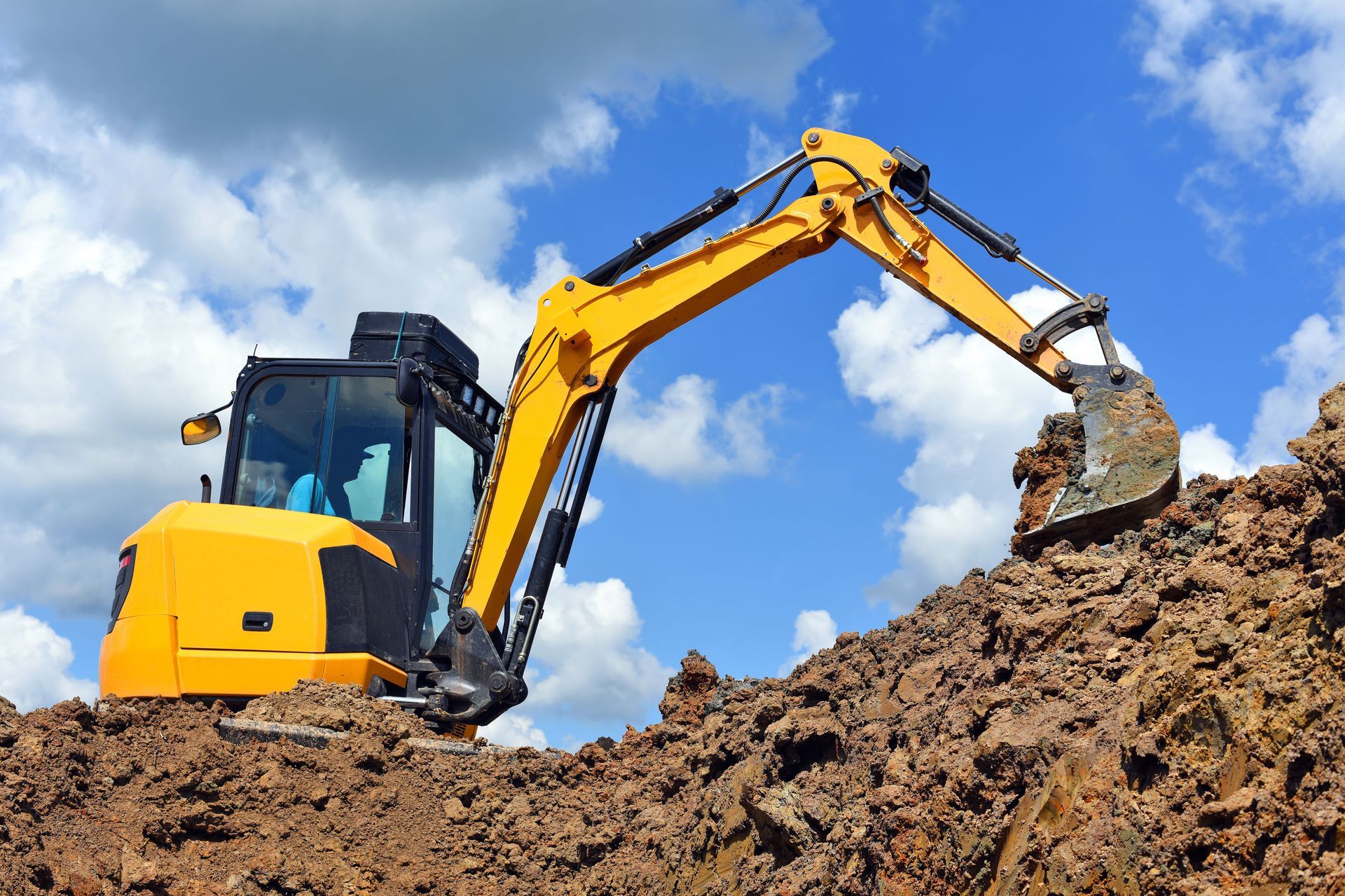
Excavation is more than simply removing dirt. It requires careful planning and execution to achieve the correct elevations and contours. Precision excavation ensures that the foundation sits on stable, properly compacted ground, reducing the likelihood of movement over time.
Experienced crews use detailed measurements and calculations to guide the process. This includes determining cut-and-fill requirements to balance the site efficiently. By maintaining accuracy during excavation, a grading contractor helps create a uniform base that supports consistent load distribution across the structure.
Effective Compaction Techniques
Compaction is a critical step that directly impacts the longevity of a foundation. Loose or improperly compacted soil can settle unevenly, leading to cracks in walls, floors, and foundations. Proper compaction eliminates air pockets and increases soil density, creating a stable platform for construction.
Professional contractors use specialized equipment to achieve optimal compaction levels. They also perform testing throughout the process to verify that the soil meets required standards. This attention to detail ensures that the ground beneath your home remains firm and reliable under long-term stress.
Managing Elevation and Slope
Establishing the correct elevation and slope is essential for controlling water flow. Improper grading can cause water to pool near the foundation, increasing the risk of leaks and structural damage. According to This Old House, the ground surrounding a foundation should be graded so it slopes outward by about six inches over a distance of 10 feet, helping ensure water is carried safely away from the structure.
This process involves more than just creating a visible incline. It requires precise calculations to ensure the slope remains effective across different weather conditions and over time. By maintaining proper elevation, contractors help prevent erosion and protect the foundation from water-related issues.
Preparing for Future Landscaping and Structures
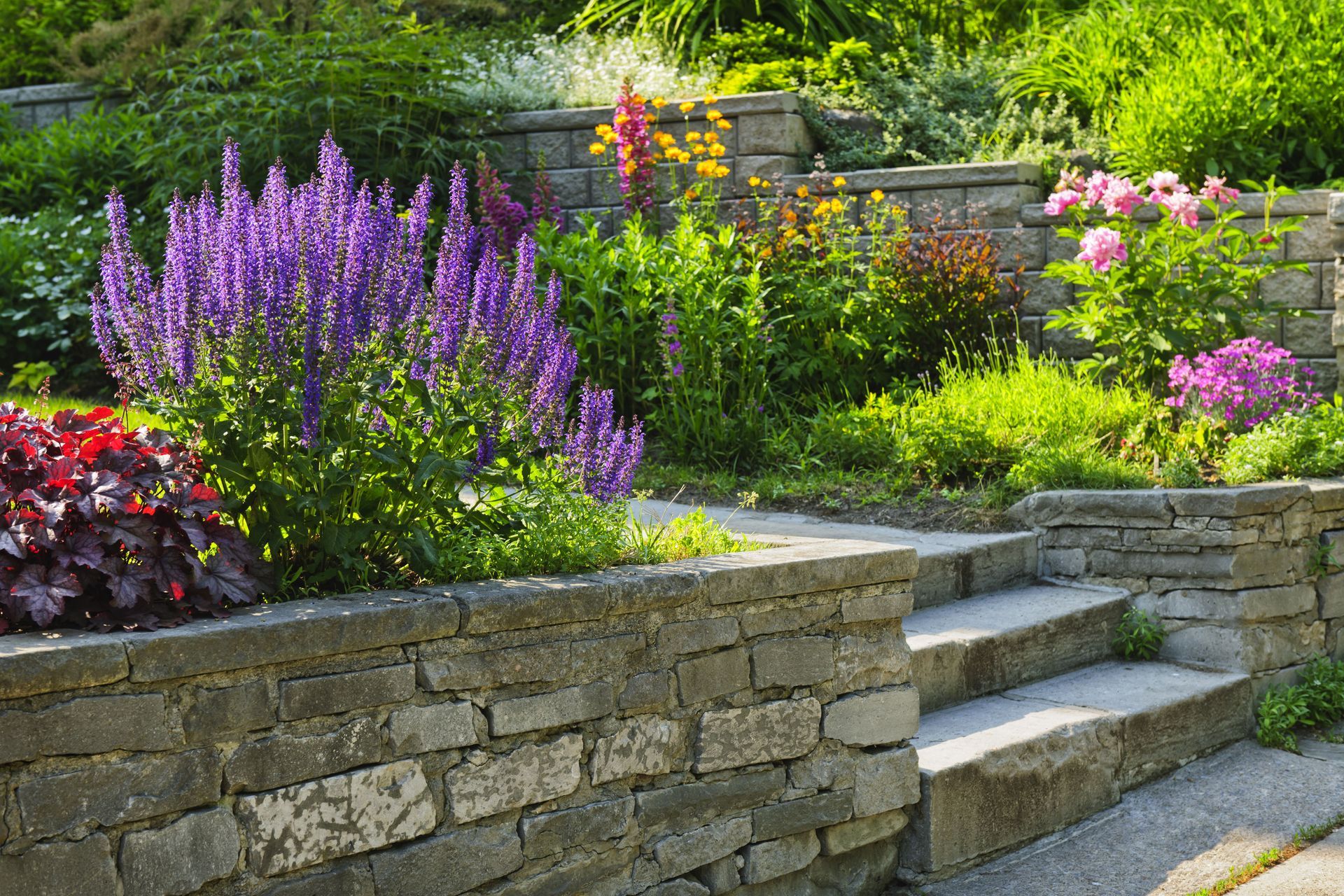
Site preparation also considers future landscaping and additional structures. Patios, driveways, and retaining walls all depend on a stable base. Proper grading ensures these elements integrate seamlessly with the overall design while maintaining effective drainage.
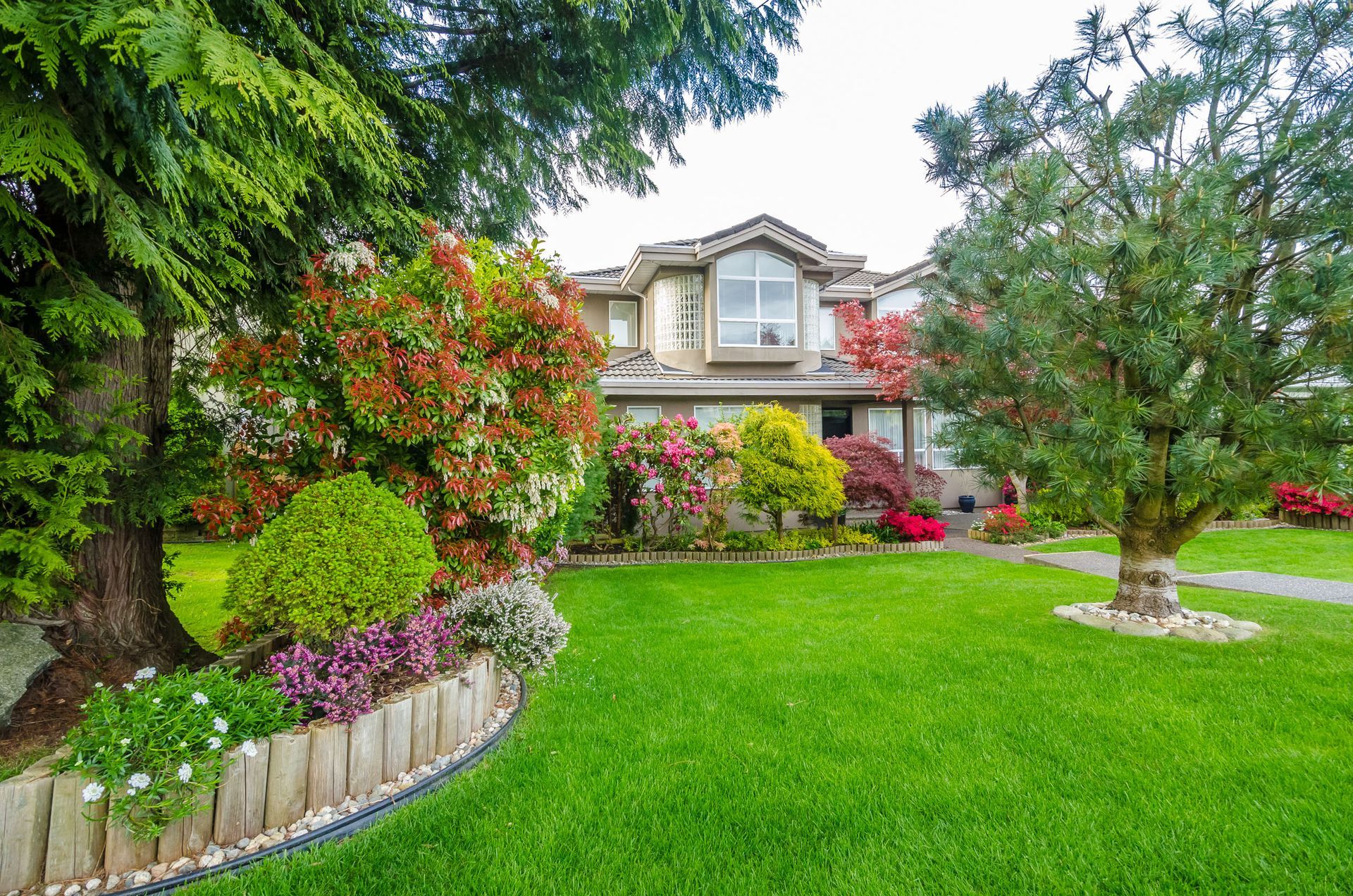
By thinking ahead, contractors reduce the need for rework and minimize disruptions during later stages of development. This comprehensive approach not only enhances the appearance of the property but also contributes to its long-term stability.
Controlling Water and Preventing Drainage Issues
Designing Comprehensive Drainage Systems
Water management is one of the primary goals of grading. Without a well-designed drainage system, even minor rainfall can lead to significant problems. A grading contractor develops a plan that directs water away from the home and toward appropriate outlets.
This design takes into account the natural topography of the land, as well as local weather patterns. By aligning the grading plan with these factors, contractors create a system that handles water efficiently under a variety of conditions.
Preventing Soil Erosion
The erosion of soil gradually compromises the stability of a property. As soil washes away, it can expose foundations, weaken support structures, and create uneven surfaces. Proper grading minimizes erosion by controlling how water moves across the site.
Techniques such as strategic sloping and soil stabilization measures help maintain the integrity of the landscape. In some cases, additional methods like protective barriers may be used to further reduce erosion risks. These measures ensure that the property remains intact even during heavy rainfall.
Integrating Drainage With Structural Elements
Effective drainage is not limited to surface grading. It must also integrate with structural components such as foundations and retaining walls. A grading contractor ensures that these elements work together to manage water flow.
For example, foundation drains may be installed to collect and redirect water before it reaches critical areas. Retaining walls can be designed with built-in drainage features to prevent pressure buildup. This coordinated approach enhances the overall effectiveness of the system.
Addressing Low Spots and Water Accumulation
Low spots in a yard can become collection points for water, leading to standing puddles and saturated soil. Over time, this can weaken the ground and increase the risk of foundation damage. Identifying and correcting these areas is a key part of the grading process.
Contractors reshape the terrain to eliminate depressions and create a consistent slope. This ensures that water flows freely across the property without pooling. By addressing these issues early, a grading contractor helps prevent long-term complications.
Maintaining Drainage Performance Over Time
Even the best grading work requires maintenance to remain effective. Changes in the landscape, such as settling or new construction, can alter water flow patterns. Regular inspections help identify potential issues before they become serious problems.
Homeowners benefit from working with a contractor who emphasizes long-term performance. This includes guidance on maintaining proper drainage and addressing any changes that may occur over time.
Enhancing Longevity With Expert Grading Practices
Minimizing Environmental Impact
Responsible grading practices consider the surrounding environment. Preserving topsoil, controlling sediment, and reducing disruption to natural features all contribute to a more sustainable approach. Contractors often implement measures to recycle materials and protect nearby areas during the project.
These efforts not only benefit the environment but also enhance the stability of the site. By maintaining natural balance, contractors reduce the likelihood of erosion and other issues that could affect the property in the future.
Utilizing Detailed Planning and Calculations
Accurate planning is a hallmark of professional grading work. Detailed calculations guide every aspect of the project, from excavation to final grading. This level of precision ensures that the site meets all structural and drainage requirements.
A grading contractor uses these calculations to anticipate challenges and adjust the plan accordingly. This proactive approach minimizes unexpected issues and keeps the project on track. It also provides homeowners with confidence that the work is being executed correctly.
Ensuring Compliance With Safety and Regulations
Grading projects must adhere to local regulations and safety standards. This includes obtaining necessary permits, locating utilities, and following established guidelines for excavation and drainage. Compliance is essential for avoiding delays and ensuring the safety of everyone involved.
Professional contractors handle these requirements as part of their process. Their experience allows them to navigate regulations efficiently while maintaining high safety standards. This attention to compliance contributes to a smooth and successful project.
Supporting Additional Construction Activities
Grading lays the groundwork for all subsequent construction. From foundation installation to landscaping, every step depends on the quality of the initial grading work. A well-prepared site allows other trades to perform their tasks more effectively.
By providing a stable and properly graded surface, a grading contractor helps streamline the entire construction process. This reduces the likelihood of delays and ensures that each phase of the project builds upon a solid foundation.
Delivering Consistent Results Through Experience
On-the-job experience plays a significant role in achieving high-quality grading outcomes. Skilled operators understand how to handle complex site conditions and adapt to changing circumstances. Their expertise ensures that each project meets the highest standards of precision and durability.
A grading contractor with a proven track record brings valuable insight to every job. Their ability to deliver consistent results helps homeowners avoid common pitfalls and ensures that the property remains stable over time.
The long-term stability of a home depends heavily on what happens before construction even begins. Proper grading establishes the conditions necessary for a strong foundation, effective drainage, and a resilient landscape. From soil evaluation to precise excavation and water management, every step contributes to the overall performance of the property. For more information on professional grading, contact MCB Landscaping & Concrete Services!