December 29, 2025
Modern homeowners often balance demanding work schedules, family responsibilities, and personal commitments, leaving little time for constant outdoor upkeep. Yet, the desire for an attractive and welcoming yard remains strong. Thoughtful landscaping can provide visual appeal, comfort, and functionality without requiring daily attention when it is designed with intention. Low-maintenance approaches focus on smart planning, durable materials, and plant choices that thrive with minimal intervention. This shift toward simplified outdoor spaces is also reflected across the industry. Rather than spending weekends mowing, pruning, or watering, many people now prefer designs that maintain their appearance with less effort.
1. What Are the Essential Elements of Low-Maintenance Landscaping?
Creating a low-maintenance outdoor environment starts with understanding how different elements work together. Successful landscape design focuses on reducing repetitive tasks while maintaining structure and visual interest throughout the year. Plant choice plays a major role in long-term upkeep. Hardy plants that tolerate local climate conditions naturally require less attention. Selecting varieties with slow growth rates also minimizes the need for frequent trimming. Grouping plants with similar water and sunlight needs further simplifies care routines and promotes healthier growth.
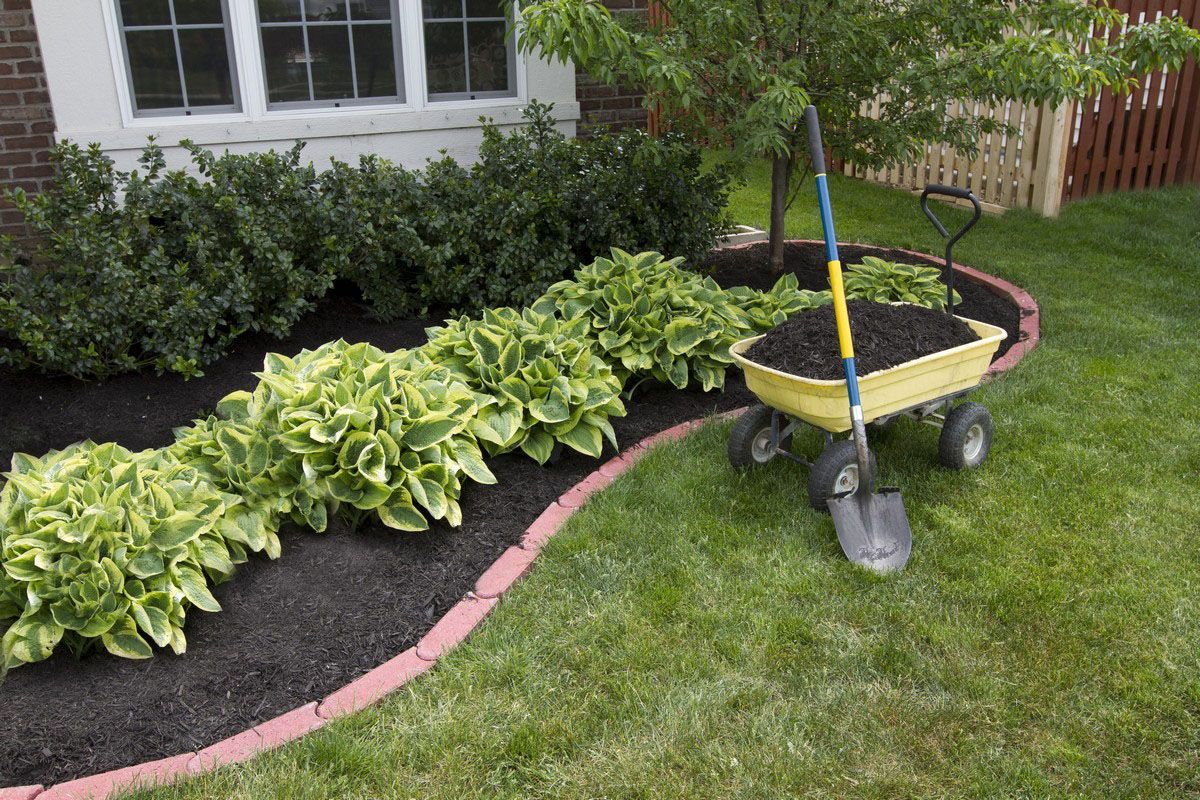
Mulch and ground covers are invaluable for reducing maintenance. They help retain soil moisture, suppress weeds, and stabilize soil temperatures. Ground covers can replace traditional turf in certain areas, reducing mowing and edging tasks.
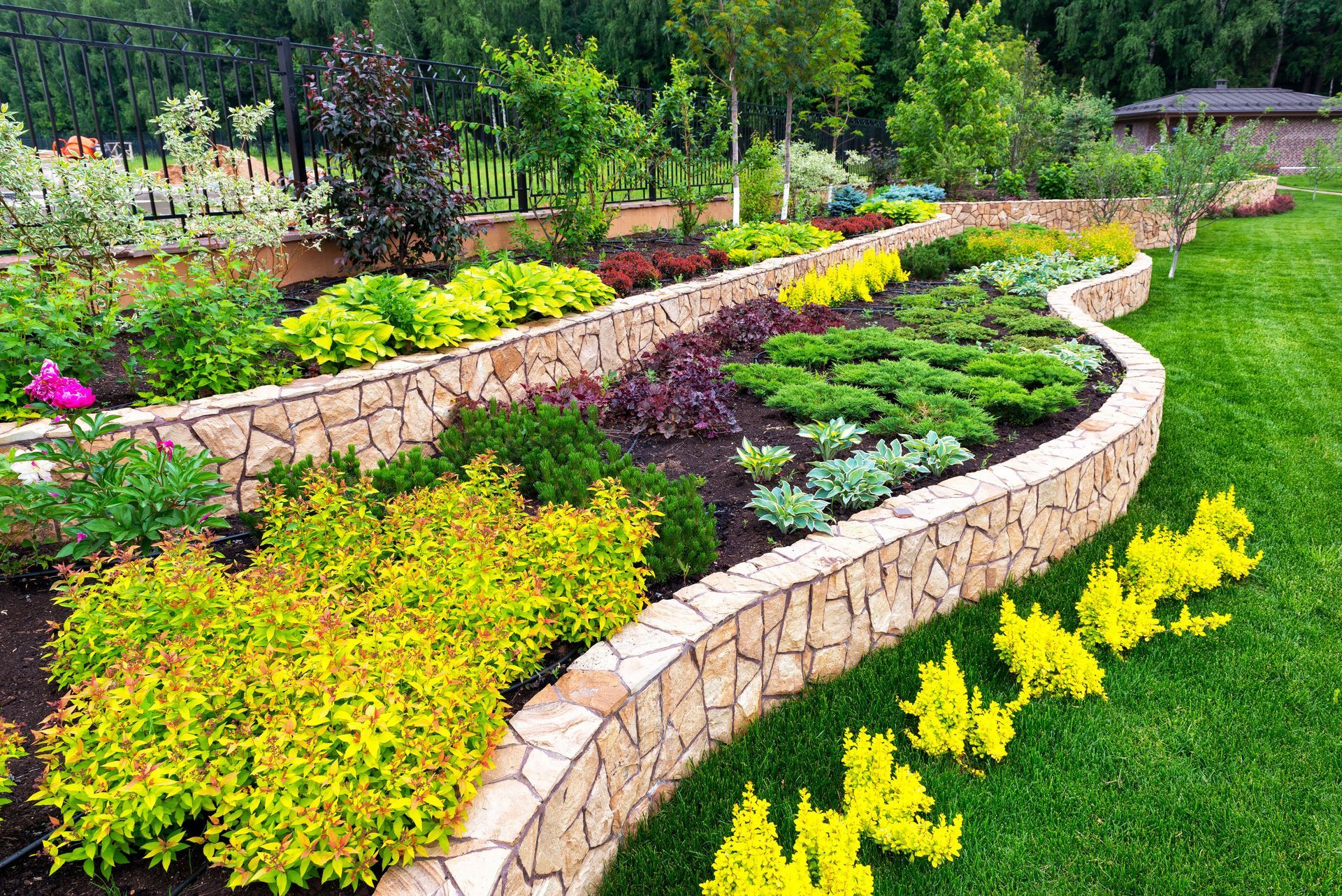
Incorporating hardscape features such as walkways, patios, and retaining walls reduces the amount of space that requires plant care. These elements add structure and function while limiting areas that demand ongoing attention. Durable materials also stand up well to weather and foot traffic. Efficient irrigation systems reduce manual watering and help maintain consistent moisture levels. Drip irrigation and zoned systems deliver water directly to plant roots, supporting healthy growth without unnecessary waste or constant oversight.
2. How to Design a Drought-Resistant Landscape?
Drought-resistant design is ideal for homeowners seeking minimal upkeep while maintaining an attractive outdoor space. Thoughtful landscaping choices can significantly reduce the need for frequent watering and monitoring.
Plants adapted to dry conditions naturally require less water once established. Succulents, ornamental grasses, and certain shrubs thrive with minimal irrigation. Choosing plants suited to local conditions improves resilience and reduces ongoing care.
Watering deeply but infrequently encourages deeper root systems, making plants more self-sufficient. Automated systems with timers ensure consistency without daily involvement. Rain sensors and moisture monitors further streamline watering routines.
Native plants are well adapted to regional climates and soil types. They often resist pests and disease better than non-native species, reducing the need for intervention. Their natural growth habits also support a balanced outdoor environment. Design layouts that group plants by water needs improve efficiency. Using permeable surfaces allows rainwater to absorb into the soil rather than running off. Strategic placement of shade elements helps reduce evaporation and stress on plants.
3. What Are the Best Landscaping Ideas for Small Spaces?
Small outdoor areas can still feel expansive and inviting with smart design strategies. Effective landscape in compact spaces emphasizes vertical elements and multifunctional features. Vertical gardens maximize growing space without increasing ground-level maintenance, making them especially appealing for residential properties with limited outdoor areas. Wall-mounted planters, trellises, and hanging systems allow plants to grow upward, adding visual interest while minimizing clutter and reducing routine upkeep. These designs also improve airflow and sunlight exposure, which supports healthier plant growth with less intervention.
Their popularity reflects broader industry trends, as residential-focused solutions continue to dominate outdoor design preferences. According to Workyard, of U.S. landscaping companies, about 59% of their revenue comes from single-family residential projects. This statistic highlights why space-efficient, low-effort features like vertical gardens remain a practical and attractive option for today’s homeowners. Containers offer flexibility and control. They can be moved, rearranged, or replaced easily, allowing homeowners to adapt their space without major changes. Container gardens also simplify soil management and watering routines.
Features that serve more than one purpose reduce maintenance demands. Seating walls, built-in planters, or raised beds can combine function and design. This approach minimizes the number of separate elements requiring attention. Clear pathways and defined zones make small spaces feel organized and accessible. Using consistent materials and limited color palettes reduces visual clutter and simplifies upkeep while maintaining a polished appearance.
4. What Are Some Tips for Year-Round Landscape Appeal?
Low-maintenance outdoor spaces should remain attractive throughout the year. A thoughtful landscape strategy helps ensure consistent visual interest without constant adjustments.
Evergreens provide structure and color year-round, while perennials return each season with minimal care. Combining these plant types creates a reliable foundation that does not require frequent replanting.
Strategic seasonal rotation allows homeowners to refresh their space without extensive effort. Swapping a few container plants or accent features keeps the area visually engaging while maintaining a stable core design. Decorative planters add flexibility and style. They can be updated easily and positioned to highlight focal points. Using durable materials ensures they withstand changing weather conditions.
5. What Are Some Lighting Solutions for All Seasons
Another key advantage of low-maintenance outdoor design is the reduced mental load it places on homeowners. When outdoor spaces are thoughtfully planned, there is less need to constantly monitor plant health, adjust watering schedules, or address overgrowth. This creates a sense of reliability, where homeowners know their yard will continue to look cared for even during busy weeks or extended travel. A dependable outdoor environment allows people to focus on other priorities without feeling guilty or overwhelmed by unfinished chores.
Low-maintenance designs also encourage more consistent use of outdoor areas. When spaces feel manageable and inviting, homeowners are more likely to spend time outside relaxing, entertaining, or enjoying quiet moments. Simple layouts with clear pathways and functional zones support everyday use rather than occasional upkeep-driven attention. Over time, this consistent use strengthens the connection between the home and its surrounding environment, making outdoor areas feel like an extension of the indoor living space.
Sustainability is another natural benefit of simplified outdoor design. Reduced watering, fewer chemical treatments, and minimized equipment use contribute to a healthier environment. Native and climate-adapted plants support local ecosystems and require less intervention to thrive. Thoughtful material selection further reduces long-term waste and maintenance demands. These environmentally conscious choices align well with modern homeowner values and long-term property stewardship.
Flexibility is also built into many low-maintenance designs. Outdoor spaces can evolve gradually without requiring complete overhauls. Containers can be refreshed, accent features adjusted, and focal points updated with minimal disruption. This adaptability allows homeowners to refresh their space periodically while maintaining a stable foundation. Small changes can have a significant visual impact without increasing maintenance obligations.
Ultimately, a well-planned outdoor environment supports both practicality and enjoyment. By prioritizing durability, simplicity, and thoughtful design, homeowners gain spaces that remain attractive with minimal effort. These principles help ensure that outdoor areas continue to complement busy lifestyles while providing a sense of balance and calm. When maintenance demands are reduced, homeowners are free to fully enjoy their surroundings, making low-maintenance design an enduring and rewarding choice.
From drought-resistant layouts to compact designs and year-round appeal, modern landscaping solutions support a wide range of lifestyles. When outdoor spaces are designed with simplicity in mind, they remain functional and attractive with minimal intervention. Ultimately, the right landscaping strategy provides lasting enjoyment, balance, and ease, making it possible for even the busiest homeowners to take pride in their outdoor environment. For all of your landscaping needs, contact